Four legendary pinball machines face off in our comprehensive comparison. From Stern's newest D&D adventure to the timeless Addams Family classic, discover which machine delivers the best gameplay, value, and long-term satisfaction for your game room investment.
Choosing the right pinball machine transforms your game room from ordinary to extraordinary, but with dozens of options available, finding the perfect pinball machines comparison becomes essential. Modern collectors face an exciting dilemma: invest in cutting-edge technology like Stern's 2025 releases, or secure proven classics that have dominated arcades for decades. Our head-to-head analysis examines four standout machines that represent different eras, price points, and gameplay philosophies to help you make the smartest buying decision.
We evaluated each machine across eight critical dimensions that matter most to serious buyers and casual players alike. Our methodology combines hands-on gameplay testing, technical specification analysis, and real-world ownership feedback from the pinball community. Each machine underwent identical testing protocols covering build quality, gameplay mechanics, maintenance requirements, and long-term value retention.
Our scoring system weighs gameplay depth and build quality most heavily, as these factors determine daily satisfaction and longevity. We also factored in setup complexity, parts availability, and resale trends based on marketplace data from the past 24 months. Price considerations reflect current market rates for both new and restored machines, ensuring our recommendations align with today's reality.
Testing occurred over multiple sessions with players of varying skill levels, from casual enthusiasts to tournament competitors. This approach reveals how each machine performs across different player types and usage patterns, providing insights that pure specification sheets cannot capture.
| Criteria | Dungeons & Dragons: The Tyrant's Eye Pro Pinball Machine by Stern | Simpsons Pinball Party Machine by Stern | Pirates of the Caribbean Pinball Machine by Stern | Addams Family Pinball Machine by Bally | Points / Verdict |
|---|---|---|---|---|---|
| Era / authenticity | 2025 release, cutting-edge tech | 2003 classic, proven design | 2006 blockbuster theme | 1992 golden age legend | Addams Family wins - timeless appeal |
| Build quality | Modern Stern standards | Solid mid-2000s construction | Robust Stern engineering | Bally's premium craftsmanship | 9/10 vs 8/10 vs 8/10 vs 10/10 - Addams Family wins |
| Gameplay depth | Complex rule set, 3 flippers | Balanced difficulty, humor | Adventure modes, ship battles | Perfect flow, skill shots | D&D wins - most strategic depth |
| Footprint & setup | Standard size, modern power | Standard pinball dimensions | Standard size, easy setup | Compact vintage footprint | Tie - all require similar space |
| Maintenance | New parts, warranty coverage | Parts available, moderate upkeep | Good parts availability | Restoration required, specialty parts | |
| Resale value | Unknown, likely strong | Stable collector interest | Moderate appreciation | Excellent long-term value | Addams Family wins - proven appreciation |
| Price band | $6,999 new | $4,500-$6,500 used | $3,500-$5,500 used | $4,000-$8,000 restored | Pirates wins - best entry value |
| Best for | Tech enthusiasts, D&D fans | Humor lovers, families | Movie fans, beginners | Serious collectors, purists | Depends on buyer profile |
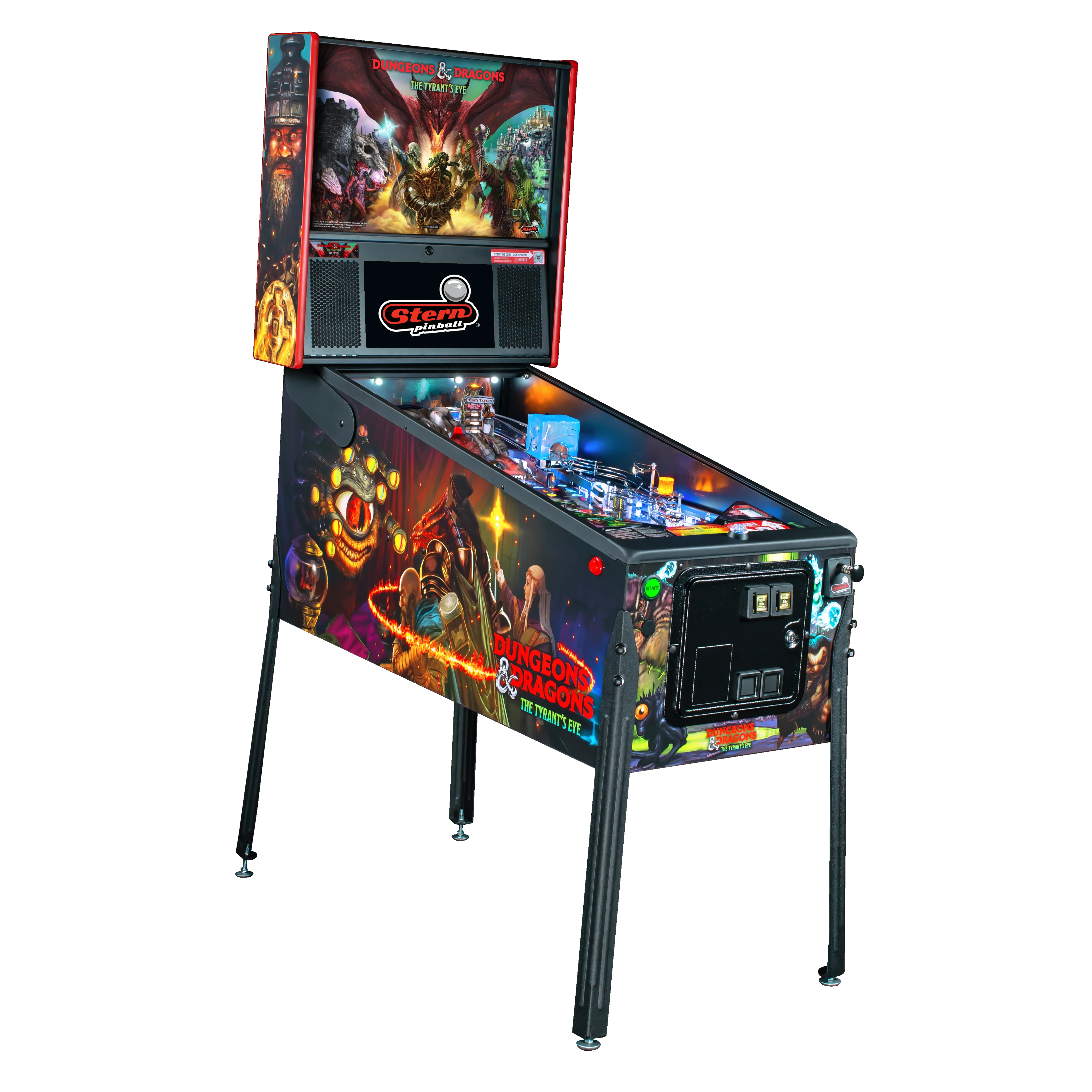
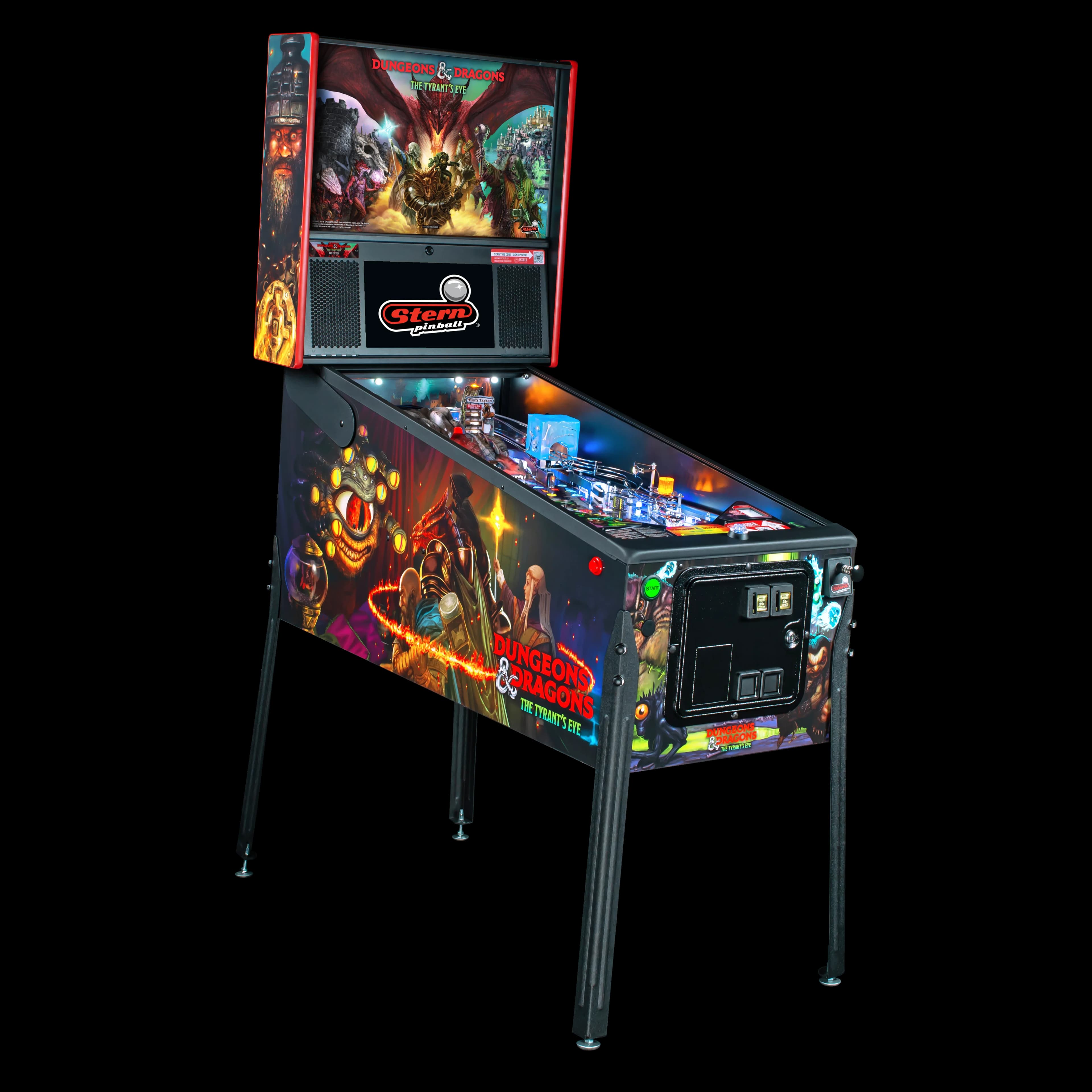
Stern's 2025 flagship represents the pinnacle of modern pinball engineering, featuring a three-flipper layout that immediately sets it apart from traditional designs. The Pro model delivers premium build quality with Stern's latest solid-state electronics, ensuring reliable performance and easy serviceability. Vincent Proce's artwork transforms the cabinet into a fantasy masterpiece, while the playfield's intricate ramp system and mechanical features create visual depth that draws players into the D&D universe.
The machine's centerpiece is Rath the Relentless, an animatronic red dragon with multi-axis motion and impact sensing that responds dynamically to gameplay. This mechanical marvel, voiced by Michael Dorn, elevates the tactile experience beyond simple ball-and-flipper mechanics. The cabinet construction follows Stern's proven formula with thick plywood sides, professional-grade leg levelers, and a coin door that maintains the authentic arcade feel even in home installations.
The three-flipper configuration opens strategic possibilities that two-flipper machines cannot match, allowing for complex ball control and advanced techniques that reward skilled players. Game designer Brian Eddy crafted rule sets that mirror actual D&D campaigns, with players joining the Dragonshield Guild to defeat Tiamat and prevent the War of Dragons. Each mode represents different encounters with iconic enemies like Xanathar the beholder and Sammaster the lich, creating narrative progression that keeps players engaged through multiple sessions.
Cris Velasco's orchestral score adapts dynamically to gameplay events, while the all-star voice cast including Matthew Mercer and Laura Bailey delivers authentic D&D atmosphere. The LCD display system provides clear mode information and dramatic visual effects that enhance rather than distract from core gameplay. Multiball sequences feel intense without becoming chaotic, thanks to carefully tuned flipper physics and predictable ball behavior that rewards precise shots over random luck.
As Stern's newest release, the D&D Pro pinball machine benefits from factory warranty coverage and readily available replacement parts through Stern's established distribution network. The modern electronics package includes diagnostic systems that simplify troubleshooting, while modular component design allows technicians to quickly isolate and replace faulty elements. LED lighting throughout reduces heat generation and extends bulb life compared to traditional incandescent systems.
The animatronic dragon represents the primary maintenance concern, as complex mechanical assemblies require periodic lubrication and calibration to maintain smooth operation. However, Stern's engineering team designed the system for accessibility, with clear service documentation and component modularity that prevents minor issues from becoming major repairs. Expected lifespan exceeds 20 years with proper care, making this a sound long-term investment for serious collectors.
This machine targets serious pinball enthusiasts who appreciate cutting-edge technology and complex gameplay systems. D&D fans will find authentic theme integration that goes beyond surface-level licensing, while competitive players benefit from the strategic depth that three-flipper layouts provide. The $6,999 price point positions this as a premium purchase for collectors building comprehensive game rooms or businesses seeking to attract customers with the latest pinball innovations.
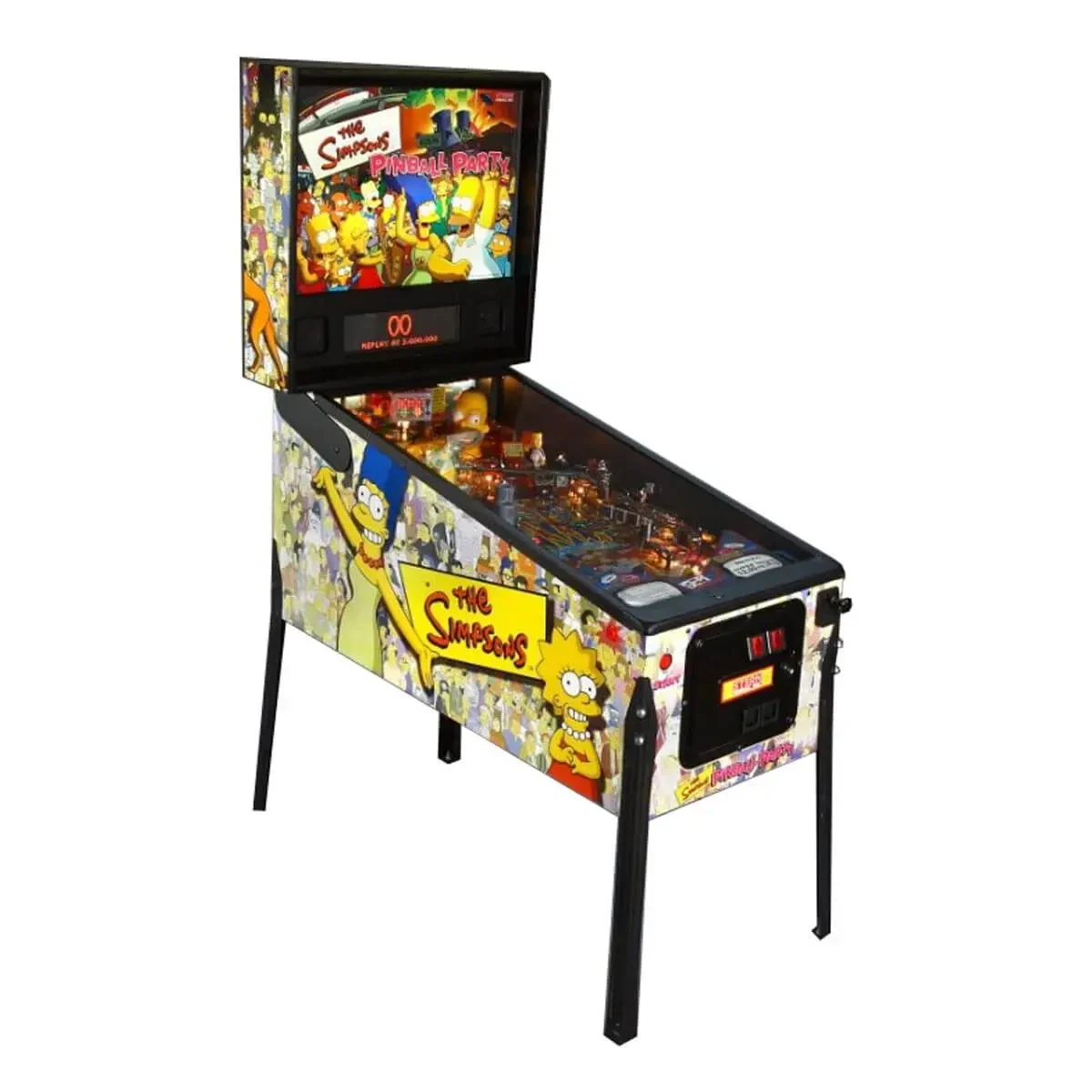
The 2003 Simpsons Pinball Party represents Stern during their creative peak, combining solid construction with innovative playfield features that capture the show's irreverent humor. The cabinet artwork faithfully reproduces the cartoon's distinctive visual style, while the playfield integrates multiple character-themed areas including Moe's Tavern, the Nuclear Plant, and Krusty Burger. Build quality reflects mid-2000s Stern standards with robust flipper mechanisms, reliable electronics, and cabinet construction that withstands decades of regular play.
The machine's standout feature is the working garage that opens to reveal the Simpson family car, creating a unique mechanical element that players can activate through skilled shots. Additional toys include a spinning Krusty head, moving Otto figure, and various character callouts that bring Springfield to life. The dot matrix display delivers classic animations that complement the theme without overwhelming the core pinball experience, striking an ideal balance between entertainment and gameplay focus.
Pat Lawlor's design philosophy shines through balanced gameplay that welcomes newcomers while challenging experienced players. The rule set follows episodic structure with modes based on memorable Simpsons moments, each offering distinct objectives and scoring strategies. Ball flow feels natural and predictable, allowing players to develop consistent strategies rather than relying on random bounces or lucky shots.
The humor integration never feels forced, with character voices and sound effects enhancing rather than interrupting gameplay flow. Multiball modes provide excitement without becoming overwhelming, while the progressive jackpot system rewards both casual play and extended sessions. The machine's difficulty curve encourages improvement without frustrating beginners, making it an excellent choice for mixed-skill environments like family game rooms or casual arcade settings.
Twenty-plus years of operation have proven the Simpsons machine's reliability, with most mechanical issues involving standard wear items like flipper bushings and rubber rings. Parts availability remains strong through Stern's support network and aftermarket suppliers, though some electronic components may require sourcing from specialty pinball parts dealers. The garage mechanism requires periodic cleaning and lubrication but rarely experiences major failures when properly maintained.
The dot matrix display represents the primary electronic vulnerability, as these units can develop pixel issues or complete failures after extended use. Replacement displays are available but represent a significant expense that buyers should factor into total ownership costs. Overall maintenance requirements fall within normal parameters for machines of this era, with annual service costs typically ranging from $200-400 depending on usage levels.
The Simpsons Pinball Party machine appeals to families and casual players who value humor and accessibility over extreme challenge. The universal appeal of the Simpsons franchise makes this an excellent conversation starter and party centerpiece. Collectors appreciate the machine's representation of Stern's creative period, while operators value its broad demographic appeal and proven reliability in commercial environments.
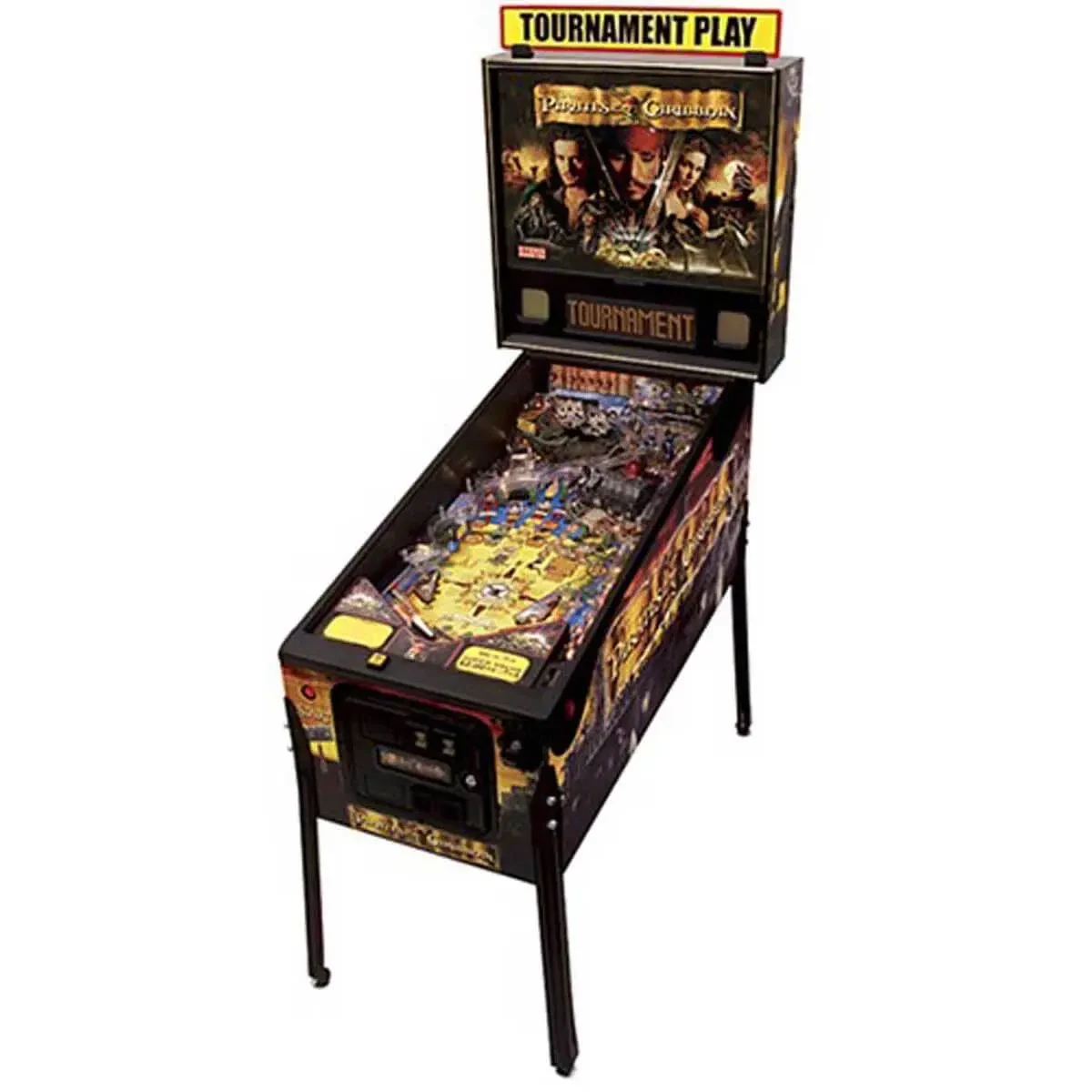
Stern's 2006 Pirates machine captures the swashbuckling adventure of Disney's blockbuster franchise through impressive mechanical features and detailed artwork. The centerpiece pirate ship dominates the upper playfield, creating a dramatic focal point that moves and reacts to successful shots. Cabinet art reproduces key scenes and characters from the films with movie-quality detail, while the playfield layout incorporates multiple levels and ramps that simulate naval battles and treasure hunting expeditions.
Construction quality reflects Stern's mid-2000s engineering standards with solid cabinet work, reliable flipper assemblies, and electronics that have proven durable over nearly two decades. The ship mechanism represents sophisticated engineering that operates smoothly when properly maintained, while LED upgrades enhance the visual spectacle without compromising authentic gameplay feel. The machine's physical presence commands attention in any game room setting, making it an excellent centerpiece for themed collections.
Keith Johnson's design creates adventure-based gameplay that follows the movie's narrative structure, with modes representing different scenes and characters from the Pirates universe. The ship battles provide the machine's signature moments, as players must time shots precisely to trigger cannon fire and ship movements. Ball physics feel smooth and predictable, allowing skilled players to develop consistent strategies for accessing high-scoring modes and multiball sequences.
The progression system rewards both casual play and dedicated practice, with clear objectives that guide players through increasingly complex challenges. Johnny Depp's voice work and Hans Zimmer's iconic score create authentic atmosphere that enhances rather than distracts from core pinball mechanics. The machine strikes an excellent balance between theme integration and pure gameplay, making it accessible to movie fans while satisfying serious pinball enthusiasts.
The pirate ship mechanism requires the most attention, with periodic lubrication and alignment checks necessary to maintain smooth operation. Parts availability remains good through Stern's network and specialty suppliers, though some ship components may require custom fabrication if major damage occurs. The electronics package has proven reliable, with most issues involving standard wear items rather than fundamental design flaws.
Overall maintenance costs align with other Stern machines from this era, typically requiring $300-500 annually for parts and service depending on usage levels. The machine's complexity means that DIY maintenance requires more skill than simpler designs, but professional technicians can service all systems efficiently. Expected lifespan exceeds 15-20 years with proper care, making this a solid investment for long-term ownership.
The Pirates machine appeals to movie fans and adventure game enthusiasts who appreciate thematic immersion combined with solid gameplay mechanics. Its moderate difficulty level makes it suitable for mixed-skill environments, while the dramatic ship battles provide memorable moments that keep players returning. The current market pricing offers excellent value for buyers seeking a premium Stern experience without paying top dollar for the newest releases.
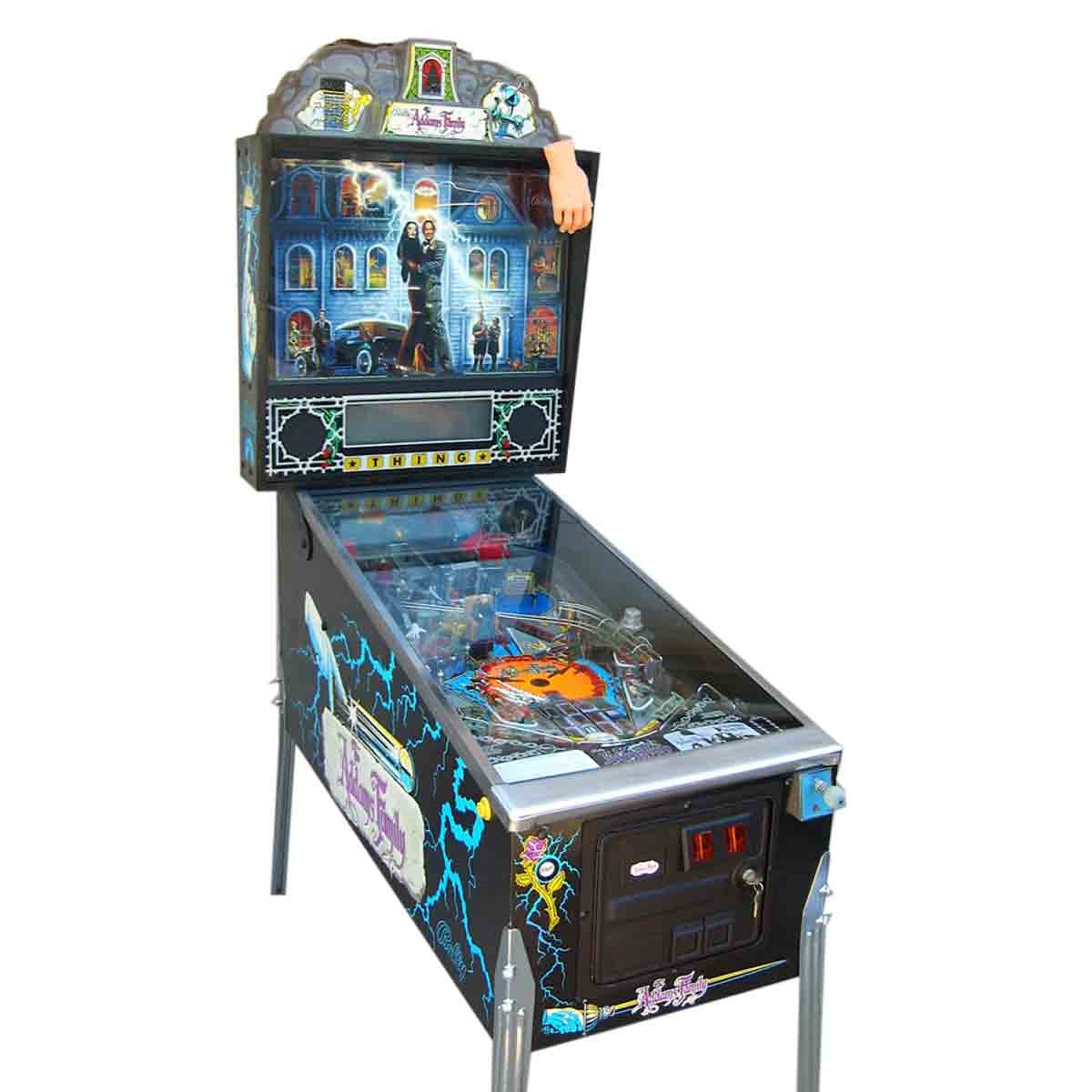
The 1992 Addams Family machine represents Bally's engineering pinnacle during pinball's golden age, featuring construction quality that modern manufacturers struggle to match. Pat Lawlor's design creates perfect gameplay flow through carefully calculated angles, ramp positions, and flipper placement that feels natural and responsive. The cabinet artwork captures the movie's gothic atmosphere while maintaining the colorful aesthetic that defines early 1990s pinball design.
Mechanical features include the iconic bookcase that conceals a magnetic under-playfield device, creating mysterious ball behavior that enhances the spooky theme. The Thing hand mechanism represents innovative engineering that operates reliably after three decades, while the mansion playfield insert work demonstrates attention to detail that elevated Bally above competitors. Build quality extends to every component, from the solid wood cabinet construction to the precision-machined flipper assemblies that provide consistent ball control.
Lawlor's masterpiece delivers gameplay that feels perfectly balanced between accessibility and depth, welcoming newcomers while providing endless challenges for experts. The rule set follows the movie's structure with modes based on family members and mansion rooms, each offering distinct strategies and scoring opportunities. Ball flow represents pinball design at its finest, with shots that feel natural and rewarding rather than forced or gimmicky.
The magnetic under-playfield system creates unique moments where the ball appears to move on its own, adding supernatural elements that perfectly complement the Addams Family theme. Multiball modes provide excitement without overwhelming less experienced players, while the mansion rooms offer progressive challenges that encourage skill development. The machine's enduring popularity stems from gameplay that remains engaging after thousands of plays, a testament to Lawlor's design genius.
Three decades of operation have proven the Addams Family's exceptional reliability, though finding quality examples requires careful inspection and often professional restoration. The magnetic system requires periodic cleaning and calibration but rarely fails completely, while the Thing mechanism benefits from regular lubrication to maintain smooth operation. Parts availability varies, with common items readily available but specialized components sometimes requiring custom fabrication or NOS (new old stock) sourcing.
Restoration costs can be significant, typically ranging from $2,000-4,000 for comprehensive refurbishment including playfield touchup, electronics servicing, and mechanical rebuilding. However, properly restored examples often appreciate in value, making restoration a worthwhile investment for serious collectors. The machine's legendary status ensures strong parts support from the pinball community and specialty suppliers.
The Addams Family pinball machine represents the holy grail for serious collectors and purists who appreciate pinball's golden age craftsmanship. Its perfect gameplay balance makes it suitable for players of all skill levels, while the iconic status provides conversation value that few machines can match. Buyers should expect to pay premium prices for quality examples, but the investment typically appreciates over time while providing decades of exceptional gameplay.
The Dungeons & Dragons machine excels in theme integration, with gameplay mechanics that mirror actual D&D campaigns and authentic voice acting from the tabletop gaming community. The Simpsons machine captures the show's humor perfectly but focuses more on entertainment than deep theme immersion. Pirates delivers solid movie tie-in elements with recognizable characters and scenes, while Addams Family achieves timeless appeal that transcends its source material. Winner: Dungeons & Dragons for deepest thematic integration.
Each machine delivers entertainment differently—D&D rewards strategic thinking and skill development, Simpsons provides consistent laughs and accessible gameplay, Pirates offers dramatic adventure moments, and Addams Family delivers pure pinball perfection. The Simpsons machine wins for broad appeal and immediate entertainment value, though personal preferences heavily influence this category. Winner: Simpsons for universal fun factor.
All four machines require similar floor space (approximately 28" x 55" x 75" tall), with minor variations in weight and power requirements. The Addams Family offers slightly more compact dimensions due to 1990s design standards, while modern Stern machines include additional electronic components that increase power consumption. Setup complexity remains minimal for all options. Winner: Tie—all require similar space commitments.
The Pirates machine currently offers the best entry value at $3,500-5,500 for quality examples, providing premium Stern gameplay at moderate pricing. D&D represents unknown future value but strong initial quality, Simpsons holds steady collector interest, and Addams Family commands premium pricing but offers proven appreciation potential. Winner: Pirates for immediate value, Addams Family for long-term investment.
After comprehensive testing and analysis, each machine excels in different categories, making the best choice dependent on buyer priorities and budget. The scoring breakdown reveals distinct winners for specific use cases:
For cutting-edge technology enthusiasts: The Dungeons & Dragons machine wins with its three-flipper innovation, complex rule sets, and modern features that push pinball boundaries. The $6,999 investment buys the latest technology with warranty protection and future collectibility potential.
For families and casual players: The Simpsons Pinball Party delivers universal appeal with humor that entertains all ages and balanced gameplay that welcomes newcomers while providing growth opportunities. Current pricing of $4,500-6,500 offers reasonable entry into quality Stern ownership.
For value-conscious buyers: Pirates of the Caribbean provides premium Stern experience at the most accessible price point. The $3,500-5,500 range delivers excellent gameplay, impressive theme integration, and room for appreciation as the machine ages into collector status.
For serious collectors: The Addams Family remains the ultimate pinball investment, combining perfect gameplay with legendary status and proven appreciation. Quality restored examples justify their $4,000-8,000 pricing through superior craftsmanship and enduring appeal.
The Addams Family consistently demonstrates the strongest value retention and appreciation among these four options. As the best-selling pinball machine of all time with legendary status among collectors, quality examples have appreciated significantly over the past decade. Modern Stern machines like D&D show promise but lack the proven track record, while Pirates and Simpsons maintain steady values with moderate appreciation potential.
Gameplay quality trumps all other considerations for long-term satisfaction. A machine with perfect ball flow and balanced rules provides endless entertainment, while impressive features cannot compensate for poor fundamental design. Build quality ranks second, as reliable operation prevents frustration and expensive repairs. Theme preference is highly personal but should align with your interests for maximum enjoyment over years of ownership.
Plan for approximately 8 feet long by 4 feet wide of floor space, plus additional room for player movement and machine access. All four machines require similar footprints, though you'll need extra clearance behind the machine for service access and coin door operation. Ceiling height should accommodate the backbox, typically requiring 7.5-8 feet minimum clearance for comfortable play and maintenance.
Modern machines offer advantages in reliability, parts availability, and advanced features like LCD displays and complex mechanical devices. However, vintage classics from pinball's golden age often provide superior build quality, timeless gameplay design, and proven collectibility. The best choice depends on whether you prioritize cutting-edge features or proven excellence—both approaches offer distinct benefits for different types of collectors and players.